The University of Essex Closed a Campus This Summer. Its Own Staff Just Went on Strike for the First Time.
Estimated reading time: 6 minutes
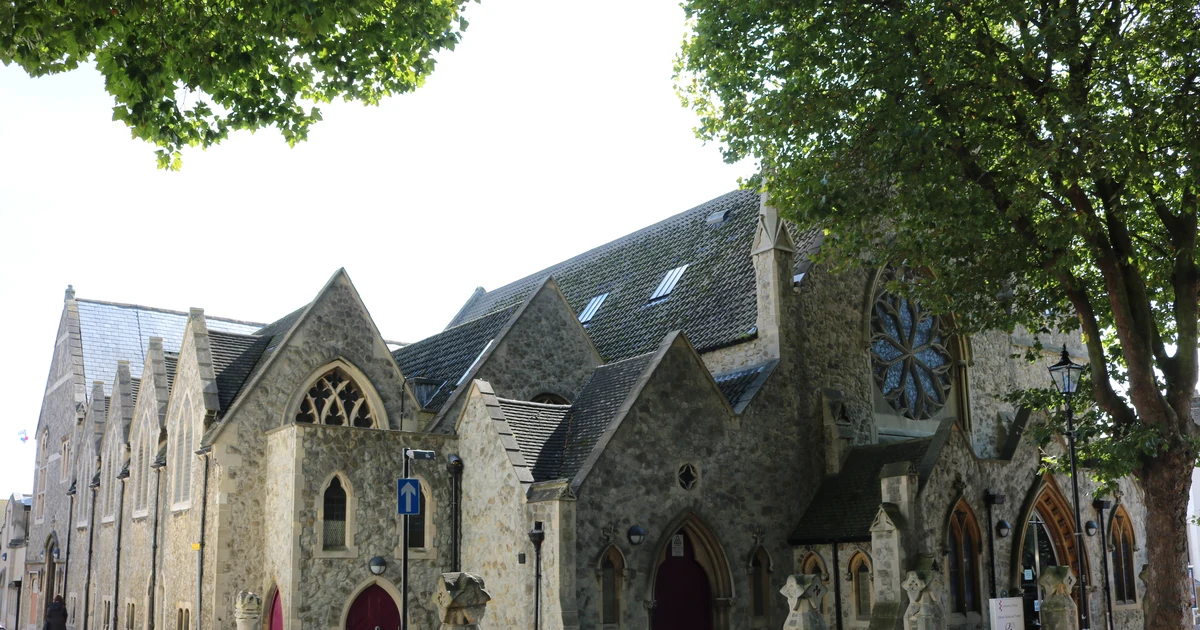

In short. The University of Essex announced on 2 December 2025 that it would cut around 400 posts, 200 academic this academic year and 200 professional services roles over the following two years, and close its Southend campus, after international student numbers there fell 52 percent since 2021-22 [1]. The Southend campus closed at the end of August 2026 as scheduled, with students transferring to Colchester for this term [6]. In April, 97 percent of the union members who voted said they had no confidence in vice-chancellor Professor Frances Bowen, after the university wrongly told 18 staff they were at risk of redundancy [3]. This week, admissions advisers, IT technicians and administrative staff struck for the first time, timed to coincide with the university's annual Court meeting [4]. The ledger logs a loss of 400, graded ANNOUNCED, region East of England, ai_cited: no, the first entry for the region.
A university that closes a campus on schedule while its own union members declare no confidence in the person who ordered it has a credibility problem that outlasts the closure itself. That is where the University of Essex stands nine months after it told staff, in the run-up to Christmas, that roughly a fifth of its workforce would go and Southend would shut by the end of August. Vice-Chancellor Professor Frances Bowen framed it as unavoidable: "This is not a decision we have taken lightly but after reviewing all reasonable alternatives, we find ourselves having to make decisions we could have never previously imagined" [2]. UCU general secretary Jo Grady called the timing itself part of the problem: "Staff are the lifeblood of our universities and announcing mass redundancies in the run-up to Christmas is cruel" [2].
The number: 400, split two ways
The cuts are not one event but two, moving at different speeds. Around 200 academic posts were targeted for this academic year; a further 200 professional services roles are due to go over the following two years [1]. The university's own framing points to Southend specifically: international student numbers at the campus, which had operated for more than 20 years, fell 52 percent since 2021-22, a decline it attributes to frozen domestic tuition fees and falling overseas recruitment income across the sector [1]. By this September, Unison was citing a combined figure of 24 million pounds in cuts, an increase on the sums first discussed in December, a difference this ledger notes without resolving; no source checked gives a single reconciled total [4].
None of that is a delivered number. The professional services reductions are phased over two years and were still described as ongoing as of this week's strike; this ledger logs the 400 at ANNOUNCED, the figure the university itself has used consistently since December, not a concluded redundancy count.
Nine months of escalation, not one announcement
The process since December has not gone quietly. In February and March, UCU members struck for seven and then nine days across the Colchester and Southend campuses. By April, the dispute had moved from picket lines to a formal vote: 372 union members, about 15 percent of the workforce, cast ballots, and 97 percent said they had no confidence in Bowen [3]. The trigger was procedural as much as financial: the university had wrongly told 18 staff in March that they were at risk of redundancy, then apologised for the error. Unison co-chair Riley Iles put it bluntly: "Every step of the so-called consultation has been a shambles" [3]. UCU co-chair Jordan Osserman went further: "The whole cuts process has been marred by ineptitude and failure, with no accountability" [3]. The university's governing body did not agree: its chair, Melanie Leech, said Bowen retained "the full confidence and support" of the Council [3].
A no-confidence vote from union members is not a mechanism that removes a vice-chancellor; Essex's own governing body has the authority that matters, and it used that authority to back her. What the vote does establish, on the record, is the scale of the breakdown in trust between staff and management at the point the redundancy process was still open.
A first strike, from staff who had never struck before
Unison represents a different group to UCU: admissions advisers, IT technicians and administrative staff, mostly on the Colchester campus, not academics. In July, 84 percent of that group voted for strike action, in what regional organiser Wayne Instone called a message that "staff won't take the destruction of their university lying down" [5]. This week they acted on it: professional services staff walked out for the first time, on a day chosen to land on the university's annual Court meeting, where the vice-chancellor traditionally reports the institution's achievements over the year [4]. Instone's message from the picket line was pointed: "Staff want to be getting everything ready to welcome students back for the new academic year. Instead, they're being forced to strike in a last attempt to stop the destruction of their university" [4].
That a group with no history of industrial action chose this particular week, against the backdrop of a Court meeting built to showcase the university's year, is itself a data point about where the dispute now sits: not settled by the closure, and not settled by the no-confidence vote either.
What the ledger counts, and what it does not
A loss of 400, graded ANNOUNCED, region East of England, ai_cited: no. No source checked in nine months of coverage raises AI or automation as a factor in these cuts; the story here is international student recruitment and tuition fee policy, the same financial pressure logged elsewhere on this ledger at Dundee and Glasgow Caledonian. The Southend campus closure is a fact, not an announcement: the university's own published closure date, the end of August 2026, has now passed, and this term's students have moved to Colchester [6]. The 400 jobs figure has not. This ledger will log a concluded number if and when the university publishes one, the same discipline applied to Dundee's third round, where an announced 190 became a confirmed 154.
Sources
- University of Essex, "Steps Towards a Sustainable Future," 2 December 2025 (the university's own announcement: job figures, phasing, Southend closure, international student decline). https://www.essex.ac.uk/news/2025/12/02/steps-towards-a-sustainable-future
- Times Higher Education, "University of Essex to close Southend campus and cut 400 jobs," 2 December 2025 (Vice-Chancellor Frances Bowen quote, UCU general secretary Jo Grady quote, closure and phasing detail). https://www.timeshighereducation.com/news/essex-close-southend-campus-and-cut-400-jobs
- Times Higher Education, "Essex unions declare 'no confidence' in v-c over job cuts," 17 April 2026 (no-confidence vote result, the wrongly-notified-18-staff error, named union and Council quotes). https://www.timeshighereducation.com/news/essex-unions-declare-no-confidence-v-c-over-job-cuts
- Morning Star, "University of Essex staff go on strike over plans to cut 400 jobs," 22 September 2026 (this week's Unison strike, Court meeting timing, Wayne Instone quote, 24 million pound cuts figure). https://www.morningstaronline.co.uk/article/university-essex-staff-go-strike-over-plans-cut-400-jobs
- UNISON, "University of Essex staff vote to strike against cuts," 31 July 2026 (84 percent strike ballot result, Wayne Instone quote). https://unison.org.uk/news/2026/07/university-essex-staff-vote-strike-against-cuts
- University of Essex, "Changes at Southend Campus: FAQs" (the university's own published closure date, end of August 2026, and student transfer arrangements to Colchester). https://www.essex.ac.uk/student/changes-to-southend-qa