Bernard Matthews Saved Its Derby Factory From Closure. Saving the Site Did Not Save Every Job Inside It.
Estimated reading time: 4 minutes
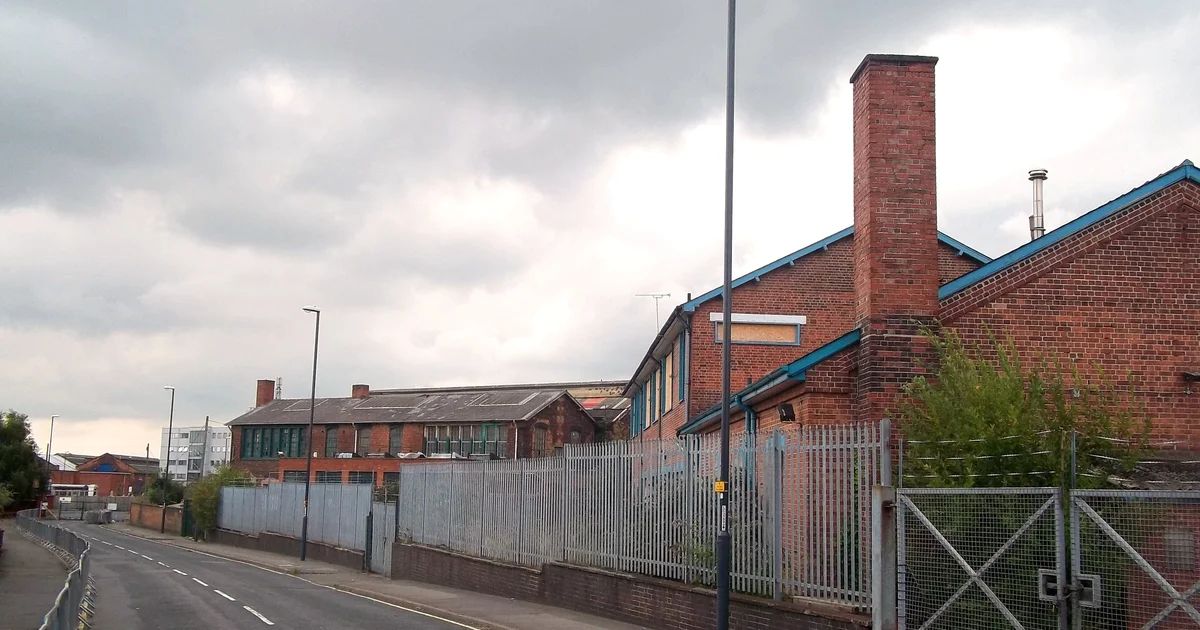

In short. Bernard Matthews had proposed closing its Shaftesbury Street factory in Derby entirely, citing sustained financial losses compounded by market volatility, putting around 400 jobs at risk [1]. Food Manufacture reports that decision has now been reversed after the company, owned by Ranjit Singh Boparan's 2 Sisters Food Group, secured a new anchor customer providing extra operational volume [1]. The site survives. Up to 150 of the roles that were at risk under the closure plan are not covered by it: they remain in a fresh redundancy consultation, graded ANNOUNCED on this ledger, with no explanation yet for the gap.
A closure, then a partial reprieve
The original plan was total: Bernard Matthews proposed shutting Shaftesbury Street down, blaming sustained financial losses that current market volatility had made impossible to absorb [1]. Around 400 jobs sat inside that number. For a Derby factory with that kind of workforce, a full closure is the sort of story that reshapes a street, not just a payroll.
It did not happen. Food Manufacture's reporting on 5 November 2026 describes a new anchor customer agreeing to provide additional operational volume to the site, enough to change the closure decision [1]. Roughly 250 of the originally at-risk jobs appear to have been saved by that volume. The rest, up to 150, have not: they are in a new consultation of their own, separate from the closure process that nearly took the whole site down.
The gap nobody has explained
Here is the part this ledger cannot answer, because nobody has said it on the record: why does a new customer big enough to keep a factory open not bring enough work to keep everyone working in it. The reporting does not break down which roles the new volume covers and which it does not, or whether the 150 are tied to a specific product line, shift pattern or function that the new business does not touch. Until that is explained, the honest description is a company that avoided the larger story and is still running the smaller one.
AI is not mentioned anywhere in the reporting checked for this piece, by Bernard Matthews or anyone else, as a reason for either the original closure plan or the surviving redundancy round. The stated cause throughout is financial performance and market conditions.
How the ledger logs it
Graded ANNOUNCED: the figure comes from a trade press report of a company statement, not a filing or a formal notice. Status at-risk, not departed, because the fresh consultation has only just opened and no outcome has been reported. This is a different number from the original closure plan's roughly 400: this ledger logs the 150 still live today, not a tally of jobs once threatened and later saved. Watch for the consultation's outcome and any explanation of the gap.
Sources
- Food Manufacture, "Bernard Matthews Derby site closure reversed, but hundreds still at risk of redundancy," 5 November 2026. https://www.foodmanufacture.co.uk/Article/2026/11/05/bernard-matthews-derby-site-closure-reversed-but-hundreds-still-at-risk-of-redundancy/